
Domestic Hot Water Heat Pumps vs Electric Water Heaters: A Detailed Comparison
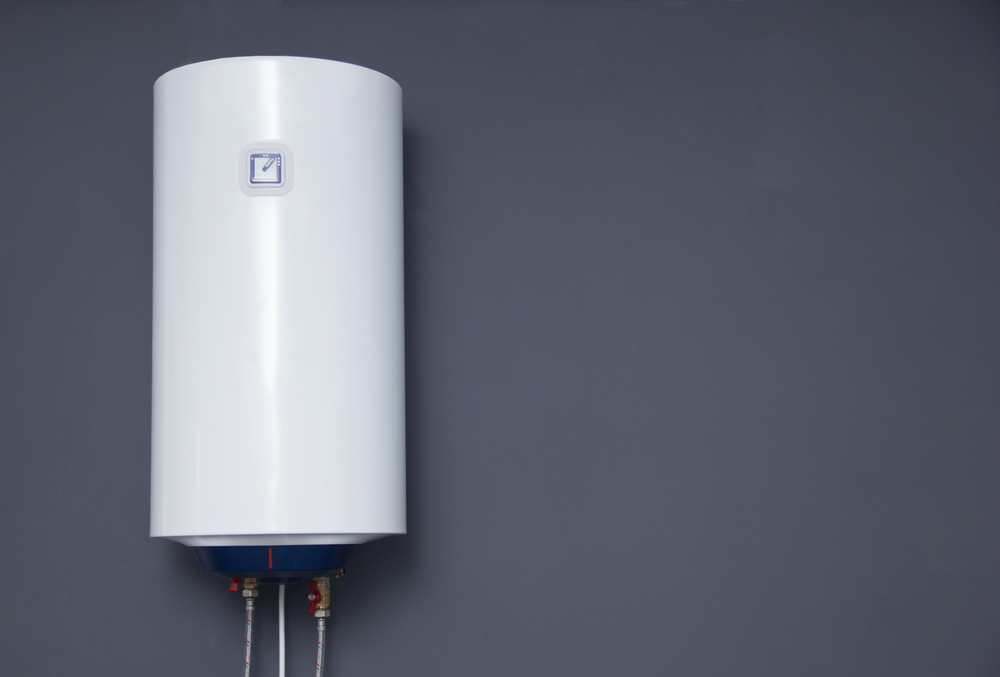
Choosing an efficient way to heat domestic water can be more complicated than it first appears. Domestic hot water heat pumps and electric water heaters are both popular, but each has advantages and limitations.
If you want reliable hot water with lower running costs and better energy efficiency, this article compares the two technologies to help you select the right solution for your home. Explore costs, performance, installation and other important considerations.
What is a domestic hot water heat pump?
Heat pumps use energy from air, water or ground to heat domestic water. They extract low-temperature heat from their surroundings and transfer it into water stored in a tank.
Heat pumps can be energy efficient and environmentally responsible because they make use of renewable environmental heat and can reduce electricity use.
Benefits of a domestic hot water heat pump
- High efficiency – a COP of around 3–4 may be achievable in suitable conditions, meaning roughly three to four units of heat for each unit of electricity consumed.
- Environmental benefits – by using environmental heat, these systems can reduce electricity demand and associated carbon emissions.
- Lower running costs – improved efficiency can significantly reduce electricity consumption for hot water.
However, heat pumps generally require a larger initial investment and more careful installation. Evaluating lifetime costs is therefore important.
What is an electric water heater and how does it work?
Electric storage water heaters are among the most accessible domestic hot water options. An electric resistance element inside the tank heats the water directly.
This simple method makes electric water heaters a common choice in homes with moderate hot water demand.
Advantages of an electric water heater
- Quick, straightforward installation – usually no major modification to the existing plumbing system is necessary.
- Low upfront cost – the equipment is accessible for a wide range of budgets.
- Safe operation – there are no on-site combustion gases or flues.
The drawback is higher electricity use: resistance heaters typically need substantially more electrical energy to deliver the same amount of hot water as an efficient heat pump.
Heat pumps versus electric water heaters: energy efficiency

Energy efficiency is one of the most important factors when choosing how to produce domestic hot water.
Domestic hot water heat pumps often achieve a COP of 3–4 under suitable operating conditions. In practical terms, each unit of electricity can deliver several units of heat.
An electric resistance heater converts nearly all of its electrical input into heat at the point of use, but it cannot multiply that heat by extracting energy from the environment. This is why its running costs can be higher over time.
Installation and maintenance costs
Both technologies involve installation and maintenance costs that should be considered before purchasing.
Heat pumps normally require higher spending on the equipment and professional installation. Periodic maintenance can also be more involved.
Electric water heaters are simpler and cheaper to install. Maintenance requirements are usually limited, although regular checks for scale, corrosion and general operating condition remain advisable.
Looking for an efficient hot water solution? Explore heat pumps and electric water heaters at ECO-TEC to choose a suitable system for your home.
Environmental impact and energy consumption
Why can heat pumps be greener?
Heat pumps make use of heat already available in the environment and generally require less purchased electricity. This can lower their carbon footprint, depending on the electricity supply and refrigerant.
They also avoid direct combustion emissions at the point of use, making them a modern option for sustainable hot water production.
What is the environmental impact of electric water heaters?
Electric water heaters are simple and accessible, but rely entirely on electrical energy to heat water. As a result, they generally consume more electricity and may have a larger indirect environmental impact.
What should you choose for your home: a heat pump or an electric water heater?
The best choice depends on your budget, installation space, hot water demand and long-term efficiency goals.
If you want an energy-efficient option with lower lifetime running costs, a domestic hot water heat pump may be the better solution, despite its higher initial price.
If your budget is limited and you prefer a simple, quickly installed and inexpensive appliance, an electric water heater may suit your needs well.
Which option offers better value?
Domestic hot water heat pumps and electric water heaters each have specific benefits and constraints. The right system depends on the quantity of hot water used, acceptable costs and your energy-efficiency goals.
For long-term energy savings and potentially lower environmental impact, a heat pump will often have the advantage. Where low initial cost and simple installation come first, an electric water heater may be an excellent choice.
Choose the solution that fits your home and lifestyle and enjoy reliable hot water every day.
