
How to choose a heat pump: components, types, benefits and costs
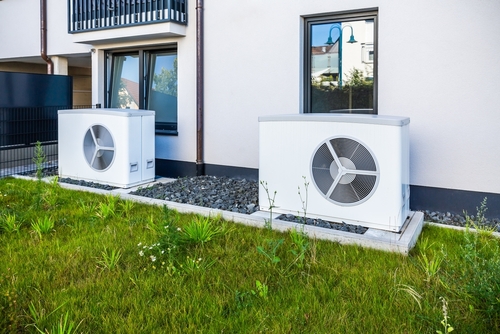
Looking for an efficient, economical and environmentally responsible heating system? A heat pump could be the right solution. Choosing a model is not just about purchase price: compatibility with your home, energy efficiency and long-term benefits matter too.
This guide explains the main components, available types, advantages and how to assess the investment.
Essential components of a heat pump
A heat pump is an advanced system that transfers thermal energy. Its main components include:
- Compressor – the heart of the system, compressing the refrigerant and raising its temperature
- Condenser – transfers heat to the heating system
- Evaporator – absorbs heat from the environment, whether air, water or ground
- Refrigerant – carries thermal energy between components
- Circulation pump – distributes heated water throughout the home
Each component has a defined role, and its quality influences system efficiency and service life.
Types of heat pumps: how to choose the right option
Heat pumps are classified by their heat source. Choosing the right type depends on your home, local climate and available budget.
Air-to-air heat pumps
Air-to-air heat pumps are among the more affordable options and are relatively easy to install, particularly in apartments or smaller spaces. They extract heat from outdoor air and deliver it directly indoors, though efficiency may be lower in very cold conditions.
Air-to-water heat pumps
Air-to-water heat pumps are a versatile, widely used option for individual houses. They transfer heat from outdoor air to water and work particularly well with underfloor heating or low-temperature radiators, offering a useful balance of cost and efficiency.
Ground-source heat pumps
For consistently high long-term performance, ground-source heat pumps are an attractive choice. They extract heat from the ground using buried pipes and benefit from relatively steady source temperatures throughout the year. Installation requires more space and a larger initial investment.
Water-source heat pumps
Water-to-water heat pumps draw energy from groundwater or other suitable natural water sources and can achieve consistent efficiency. However, they are possible only where an appropriate water supply is available.
How do you make the right choice?
In areas with moderate winters, air-to-air or air-to-water systems may be sufficient. For high efficiency, ground-source systems are worth considering.
Heat pump benefits: why invest?

Wondering whether a heat pump is worth the investment? Key advantages include:
- Long-term savings – potentially lower energy bills
- High energy efficiency – favourable coefficients of performance (COP)
- Lower environmental impact – use of renewable ambient heat
- Versatility – some systems also provide cooling
- Durability – a potential service life of more than 15–20 years
Some governments also offer grants or tax incentives for installing efficient heating systems. Upgrade your home with sustainable heat pump technology from ECO-TEC and see how efficiency can go hand in hand with environmental protection.
How do you evaluate costs and return on investment?
The price of a heat pump varies with type, capacity and installation complexity. Consider both the initial outlay and long-term operating savings before making a decision.
Initial purchase cost
Purchase prices differ by system type. Air-to-air heat pumps are often the least expensive, with indicative prices of EUR 3,000–7,000. Air-to-water models may cost EUR 5,000–10,000, while ground-source systems can start around EUR 10,000 because installation is more complex.
Installation costs
Beyond the equipment, allow for installation costs, which may range from EUR 2,000 to 5,000 depending on site complexity and the home configuration.
Maintenance expenses
Maintenance needs are relatively modest but important for optimal operation. An annual check is recommended, with indicative service costs of EUR 100–300.
Long-term savings
A key advantage is the potential to reduce energy bills. Depending on the technology and previous energy use, savings may reach 30–70% in favourable circumstances.
For example, an annual heating bill of EUR 1,500 might fall to approximately EUR 600–1,000, depending on the selected system’s efficiency and energy tariffs.
Practical tips for choosing the right heat pump
Before investing, consider the following:
- assess your property’s needs: floor area, insulation and local climate are essential;
- compare suppliers: check reviews, quotations and warranty terms;
- look for grants: government funding programmes may reduce initial costs;
- choose a certified installer: correct installation supports efficient operation;
- select an energy-efficient model: check its energy label and coefficient of performance (COP).
Contact the ECO-TEC team for an assessment and a tailored quotation.
A heat pump can be a smart investment in a more sustainable, comfortable and economical future. The right choice starts with understanding the options, their benefits and the costs involved. Whether you want smaller bills or greener heating, reliable information is the first step.
Invest in energy efficiency and take a step towards modern, environmentally responsible living. Explore ECO-TEC solutions and let our specialists help you choose.
