
How Deep Should You Drill for a Ground-Source Heat Pump? Installation Guide
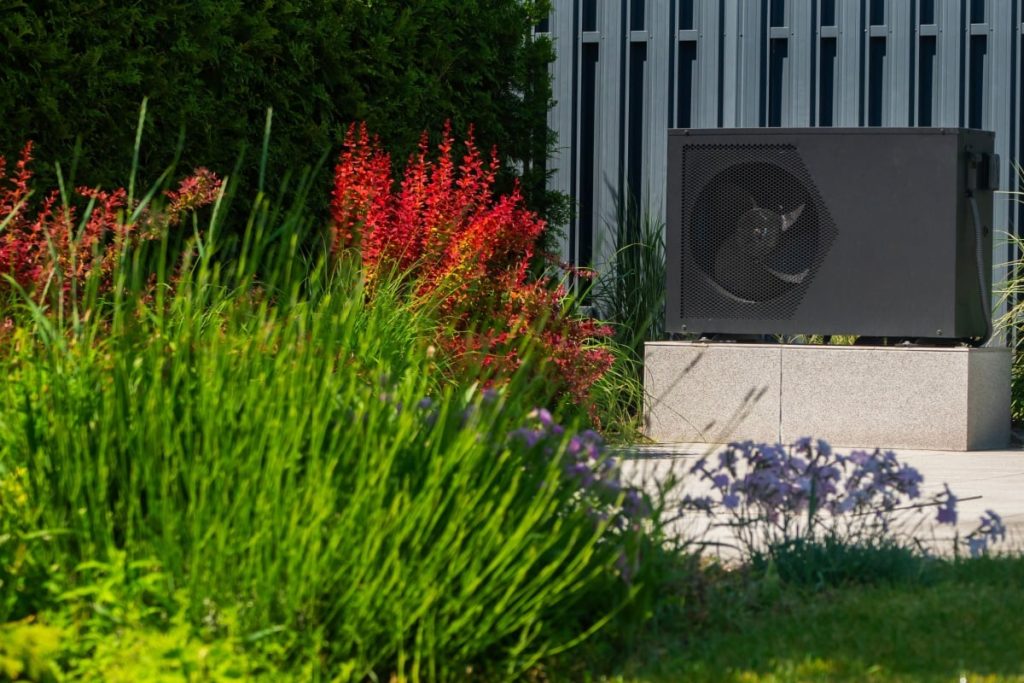
When planning a heat pump installation, you may focus on efficiency or maintenance costs. But there is one essential question that many people overlook at first: how deep should you drill to ensure the system operates efficiently?
There is no universal answer. However, understanding this factor can help you make a reliable, long-lasting investment. If you want consistent heating without unnecessary energy use, this practical guide explains what matters when planning a ground-source system.
How does a heat pump work, and why does drilling matter?
A heat pump extracts thermal energy from the ground, water or air and transfers it into your home as useful heat. For geothermal systems that require boreholes, the source temperature is relatively stable because ground temperatures become more consistent below a certain depth. This is where the borehole comes in: if the borehole is insufficiently deep, the system may not achieve the expected performance.
ECO-TEC heat pumps using R290 refrigerant are designed for high efficiency. However, to achieve the specified performance, the ground energy source must be sized correctly. Borehole depth affects efficiency, electricity use, long-term durability and the stability of the overall installation.
How deep should boreholes be for different ground conditions?
There is no standard depth that works for every site. The required drilling depth depends on:
-
soil and rock type – such as clay, sand, rock or wet ground;
-
the ground’s thermal characteristics – how much energy can be extracted per metre;
-
the area you need to heat;
-
the heat pump capacity being installed.
As a general guide:
-
for vertical borehole probes, depths can range from 60 to 150 metres, depending on local geology;
-
in ground with poor thermal conductivity, you may need several deeper boreholes;
-
for a house of 150–200 m², the design might call for two boreholes approximately 100 metres deep each.
The recommendation is straightforward: work with a drilling specialist familiar with local geological conditions. Do not rely on generic estimates.
How much does borehole depth affect system performance?

When drilling depth matches both the geology and the building’s energy demand, the system operates more efficiently. Insufficient depth may lead to:
-
lower fluid temperatures in the ground loop;
-
higher electricity consumption;
-
accelerated equipment wear.
On the other hand, drilling deeper than necessary adds costs without delivering proportional benefits. The goal is to strike a balance between the depth genuinely required and a sensible investment. At ECO-TEC, that balance forms part of technical planning and advice.
What does correct installation involve, step by step?
A proper ground-source heat pump installation begins with a geotechnical survey. The subsequent steps include:
-
borehole design and choosing suitable locations;
-
drilling the boreholesin compliance with applicable safety requirements;
-
installing the ground probes and filling the annular space with suitable grouting material such as bentonite;
-
connecting the ground circuit to the indoor unit and commissioning and adjusting the system.
Heat pumps using R290, including models available from ECO-TEC, can deliver water temperatures of up to 75°C. Correct installation also helps the system maintain stable operating temperatures.
How much does drilling cost, and how does it affect the budget?
Borehole drilling is usually priced per linear metre, with costs depending on depth, ground conditions and site access. The article’s indicative price range is €40–60 per metre. It also mentions a possible budget of €20,000for two boreholes of 100 metres each, with potential long-term benefits such as:
-
lower monthly energy bills;
-
a long system service life;
-
avoiding complex maintenance costs.
If you can access government support schemes, the overall investment may become more affordable. You may also gain greater independence from changing gas and electricity prices.
What happens if the boreholes are installed incorrectly?
Incorrect or poorly planned drilling can lead to:
-
reduced heat pump performance;
-
higher maintenance costs;
-
incorrect equipment sizing;
-
insufficient thermal comfort in the home.
These risks can be reduced by designing the system around the actual characteristics of your site, rather than relying on fixed templates.
Borehole depth is not a minor detail in ground-source heat pump design. It is one of the key decisions affecting comfort, energy use and system longevity. With sound planning and experienced installers, the result can be a quiet, reliable and economical heating system suited to your needs.
Do not let unanswered questions compromise your investment. Request a personalised assessment and speak with an ECO-TEC specialist about a solution for your home. A good decision starts with the ground conditions and leads to reliable everyday comfort.
Choose peace of mind with an ECO-TEC heat pump suited to the characteristics of your site.
