
How to install a domestic hot water heat pump correctly
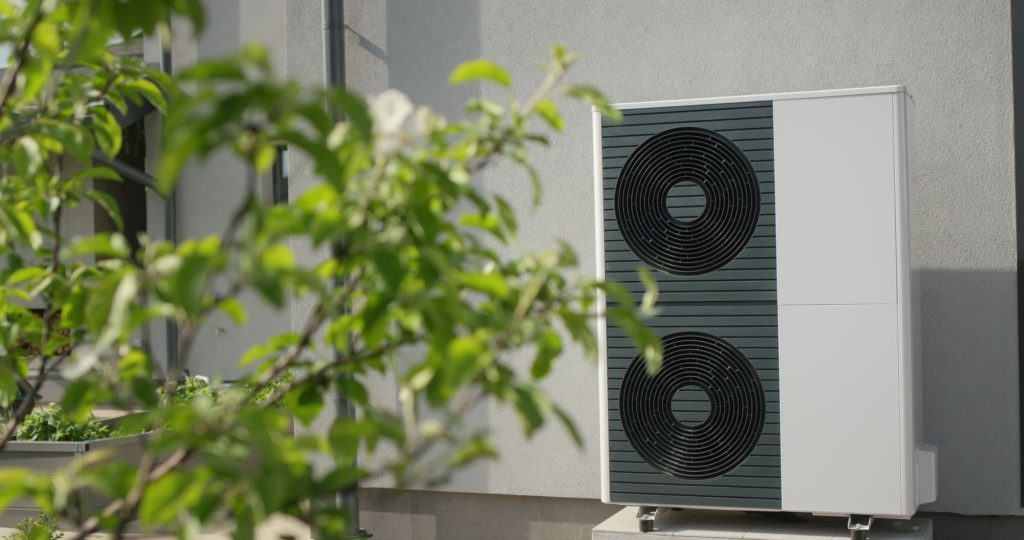
Tired of high energy bills? Looking for an efficient, environmentally responsible way to provide domestic hot water? Installing a hot water heat pump could be the answer. Besides reducing energy consumption, this technology can save money over time. To gain those benefits, however, correct installation is essential. Follow the steps below and learn what to avoid for an efficient, durable system suited to your home.
1. Choose the right heat pump type for your needs
First, choose a system suitable for your property. Several types of heat pumpsare available: air-to-water, ground-to-water and water-to-water. Each has advantages and disadvantages depending on the site, budget and available space.
-
Air-to-water heat pumps are relatively easy to install, usually more affordable and do not require extensive building work. They take heat from outdoor air and transfer it into water. Their efficiency may decrease during cold winter weather.
-
Ground-source heat pumps require horizontal ground collectors or vertical boreholes to extract heat from the earth. They can offer consistent year-round performance but involve higher initial costs and more complex installation work.
-
Water-to-water heat pumps can be highly efficient but require a suitable groundwater source. Their installation may involve hydrogeological assessments and specific permits.
For the right choice, speak with an ECO-TEC specialist. Assess your hot water consumption, home size, geographical location and available budget.
2. Check your home’s technical requirements
Even a high-performance heat pump cannot operate efficiently if the building and installation are not properly prepared. The equipment needs to be integrated into a space that meets its technical requirements.
-
Thermal insulation is an important factor. External walls, roof, floors and windows should be well insulated to retain heat. Arrange a technical survey and improve insulation where necessary.
-
Space for the unit must be accessible for maintenance, adequately ventilated and protected from excessive moisture.
-
The electrical installation must be suitable for the heat pump’s electrical load. Check the capacity of the distribution board and upgrade it where required.
A preliminary survey with an ECO-TEC technician can prevent unexpected issues during installation.
3. Installation: what the process involves
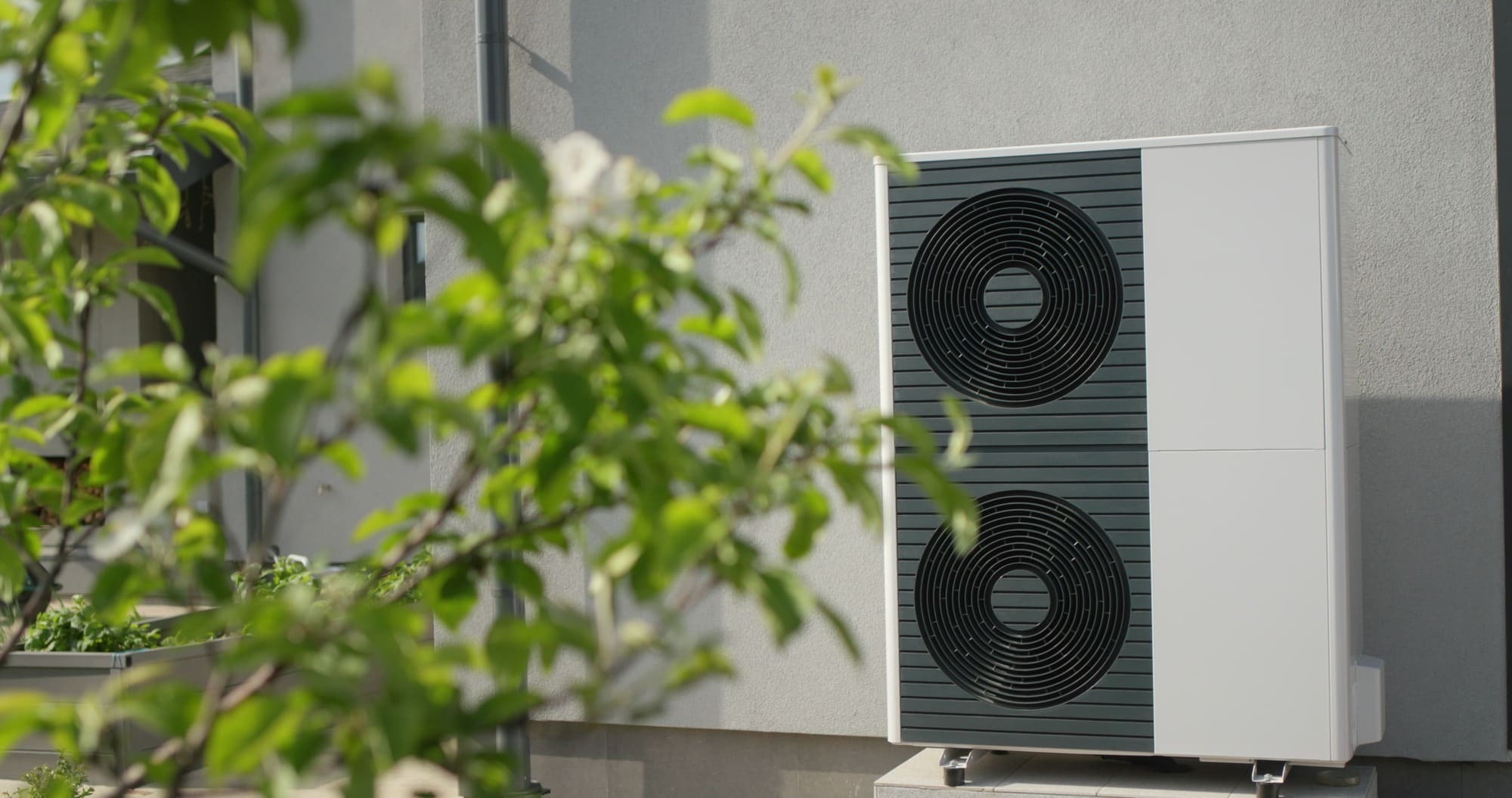
Installing a heat pump involves several stages that require care, even when working with an authorised installer. Understanding the process helps you supervise the work effectively.
-
Preparing the area: clear the installation location, remove obstructions and ensure proper ventilation.
-
Positioning the equipment involves securing the outdoor unit on a stable base and locating any indoor unit in a suitable technical space.
-
Connecting water and electrical services must be performed with appropriate materials, in line with safety standards and the manufacturer’s instructions.
-
System testing includes starting the heat pump, checking operating parameters and leak-tightness, and resolving any leaks found.
Choosing installation through ECO-TEC can help ensure the job is completed properly and the system is optimised from the outset.
Read more about how heat pumps work and their environmental impact.
4. Initial settings and optimisation
After installation comes configuration. This stage is often overlooked, yet it is essential for system efficiency.
-
Hot water temperature should be set to suit household needs. A setting around 50–55°C is commonly used for daily operation, while appropriate scald protection and hygiene controls remain important.
-
Scheduling lets the heat pump run at selected times, for example in the morning and evening when demand is higher.
-
Eco mode is useful when hot water demand is lower. It can save energy and reduce unnecessary equipment operation.
Use the system app or digital control panel to adjust settings. If anything is unclear, the ECO-TEC team can guide you step by step.
5. Regular maintenance supports long-term efficiency
Once installed and configured, a heat pump needs ongoing maintenance to operate effectively for years.
-
Check and clean filters monthly, particularly during periods of intensive operation.
-
Check the tightness of pipework and connections. Water or air leaks can reduce performance.
-
Regular technical inspections: arrange an annual visit from an ECO-TEC specialist for cleaning, adjustments and preventive repairs if needed.
Neglecting maintenance reduces performance and may lead to expensive breakdowns.
Correctly installing a domestic hot water heat pump requires planning, checks and skilled professionals. Following these steps and choosing quality services can give you a dependable, efficient system with a lower environmental impact. The benefits of comfort and long-term savings can then become apparent. Contact the ECO-TEC team for a personalised assessment and a reliable start to your transition towards cleaner energy.
