
How often should you clean a heat pump? Maintenance guide
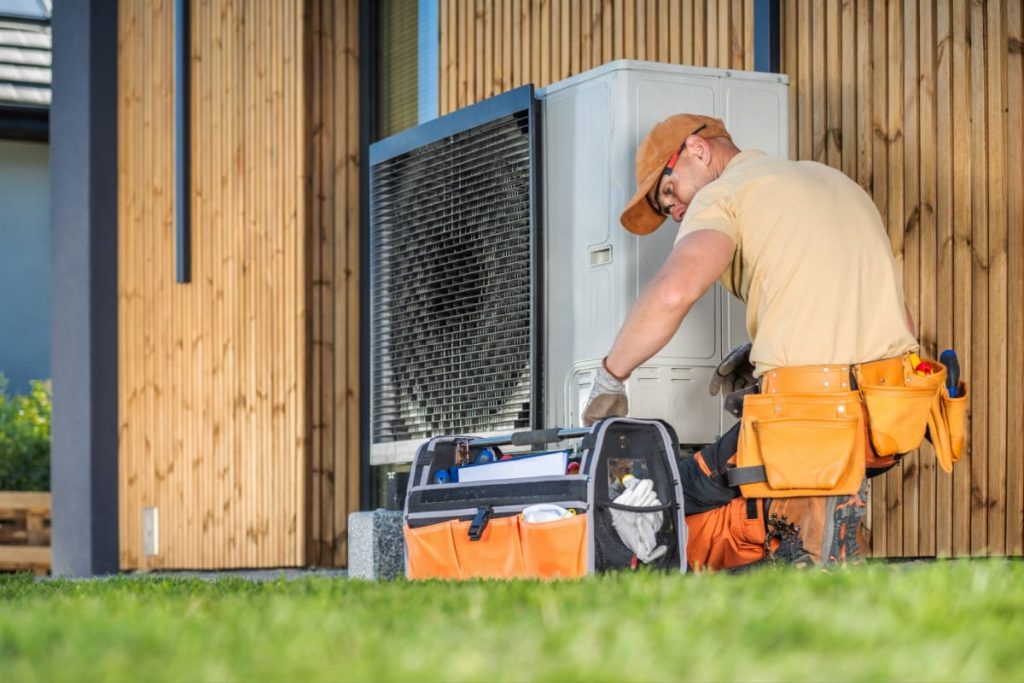
A heat pump can help keep your home comfortable throughout the year, in both cold and warm weather. Regular maintenance is important for preserving efficiency and preventing technical problems. Neglecting cleaning can reduce performance and increase energy bills, while a straightforward maintenance plan helps avoid these issues.
Why regular maintenance matters
A heat pump collects dust, pollen and other impurities while transferring heat between indoors and outdoors. According to observations reported by local technicians, a dirty system may consume up to 15–25% more energy.
Even a modest build-up of dirt on filters or the outdoor unit can increase costs and contribute to faults. Timely maintenance helps prevent obstructions and keeps the installation working, particularly in winter.
How often should the main components be cleaned?
-
Indoor filters: check them monthly and wash or replace them every 1–3 months, according to dust levels and the manufacturer’s instructions. Filters can clog faster if you keep pets or live near busy roads, as many residents of high-traffic areas have noticed.
-
Outdoor unit: clear the area at the beginning or end of each season, especially in spring and autumn. Remove leaves, debris or snow that might obstruct airflow. Dry leaves and dust often accumulate around the fins and reduce air circulation.
-
Fans and fan blades: check them each year for unusual noise or vibration. Where manufacturer guidance permits, remove accessible dust with a dry cloth after safely switching off the equipment. This can improve operation and reduce noise.
-
Condensate drainage system: inspect it every six months for blockages or standing water. Poor drainage may cause mould or damage surrounding finishes, particularly in installations operating for much of the year.
-
General technical inspection: arrange a professional service once a year. A technician checks pressures, the refrigerant circuit and electrical connections. Also see our guide to correct heat pump sizing to choose suitable equipment and avoid preventable maintenance problems from the outset.
How can you clean a heat pump yourself?
- Remove washable filters and clean them with lukewarm water. Let them dry completely before reinstalling them. Replace disposable filters according to the manufacturer’s instructions.
- Remove dust and leaves from around the outdoor unit using a soft brush or small vacuum cleaner, without disturbing electrical or refrigerant parts.
- Clean accessible, non-moving external surfaces with a dry cloth when you notice dust deposits. Leave internal fan components to qualified service personnel.
- Check that condensate can drain freely and does not remain standing in the tray.
If you encounter problems or unusual noises, contact a specialist. You can also consult guidance on proper installation and maintenance of domestic hot water heat pumps.
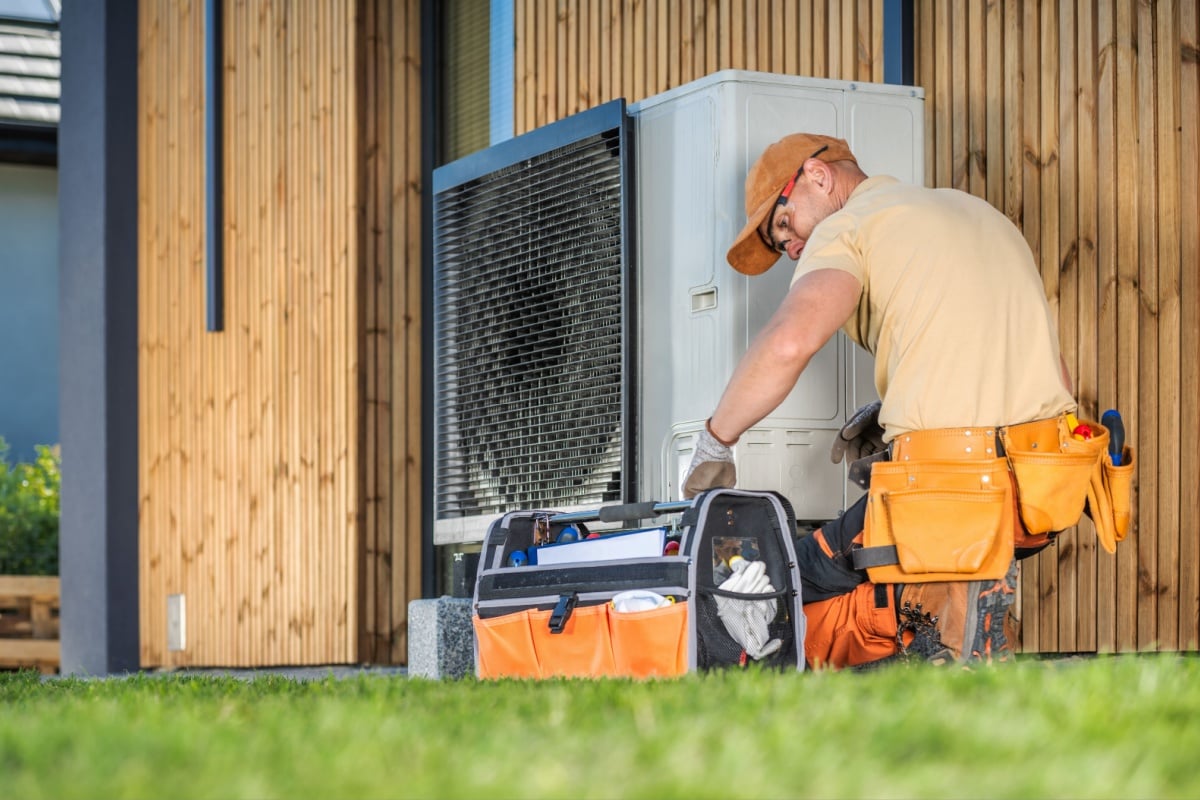
Choosing the right heat pump maintenance products
Safe and effective maintenance requires suitable, tested products compatible with modern HVAC equipment. Inappropriate cleaners can damage components and even affect the manufacturer’s warranty. Keep the following in mind:
-
cleaning solutions intended for HVAC equipment – avoid general-purpose detergents and choose products specifically designed for filters and outdoor units. Suitable products should not corrode metal surfaces and should be compatible with plastics, rubber and insulating foams;
-
antistatic brushes and microfibre cloths – use lint-free tools on sensitive accessible areas that do not create static electricity, helping protect electronic components;
-
antibacterial filter products – where approved by the manufacturer, such products may help control bacteria and mould in damp conditions. They can contribute to better indoor air quality and extend filter service life;
-
specialist advice from ECO-TEC – if your installation is maintained by ECO-TEC, the team can recommend compatible products and provide access to professional accessories for maintenance.
Recommendation: do not improvise with homemade cleaning mixtures. Even seemingly harmless products can cause irreversible damage to sensitive components.
Choosing the appropriate maintenance products helps your heat pump operate quietly, efficiently and economically, without unnecessary risks.
When is professional servicing necessary?
An annual inspection by a qualified technician helps maintain performance. The specialist checks the refrigerant system, leak-tightness, electrical components and compressor for faults. Annual service may also be required by warranty terms. Choose an experienced service provider, particularly for large-capacity heating and cooling installations.
Keep a maintenance calendar and watch for unusual smells, noises or unexplained increases in energy consumption. If these occur, investigate before the problem becomes worse.
Plan regular checks that suit your property. Consult trusted sources and qualified professionals before major changes to your heating installation, adding solar panels or choosing another heat pump. Prompt checks, timely cleaning and annual servicing can prevent expensive surprises.
