
How to reduce energy bills during the cold season
As temperatures fall, energy bills can rise sharply. Yet a few simple, effective adjustments can help you stay comfortable without spending a fortune. Find out how to optimise your energy use in winter while saving money!
Insulate your home for greater thermal comfort
Heat lost through walls, windows or the roof can increase energy consumption. Insulating your home is one of the most effective ways to lower costs:
- invest in insulated windows — They reduce heat loss and improve comfort. If complete replacement is too expensive, apply draught-proofing tape around window frames;
- insulate walls and the attic — Insulation materials such as mineral wool or polystyrenehelp keep warmth indoors;
- install reflective panels behind radiators — These limit heat loss into the wall and help direct more heat into the room.
Use less hot water
Hot water is another significant source of energy expenditure. Here are a few ways to reduce consumption:
- fit a low-flow shower head — It uses less water without compromising comfort;
- adjust the temperature of the hot water cylinder — A setting of 40–50°C is sufficient for household use;
- fix dripping taps — Even a small leak can waste considerable amounts of water and energy.
Control your home’s temperature efficiently
You do not have to heat your home to 24°C to feel comfortable. An ideal indoor temperature is between 19°C and 21°C, and adjusting it can make a significant difference to your energy bill.
- Use a programmable thermostat — Set it to lower the temperature at night or when you are away.
- Zone heating — Avoid heating rooms that you rarely use. Close doors to keep heat where it is needed.
- Do not cover radiators — Furniture or curtains that block heat circulation can increase energy use.
Make the most of natural heat sources
Even in winter, sunshine remains a valuable ally in saving energy. Make smart use of it:
- open curtains during the day — Let the sun warm your rooms naturally;
- close curtains and blinds in the evening — This helps prevent heat loss through glazing;
- remove obstructions — Keep windows clean and allow as much daylight as possible into your home.
Optimise your household appliance use

Photo credit: Shutterstock
Large appliances use significant amounts of energy, particularly in winter. A few simple habits can help reduce their consumption:
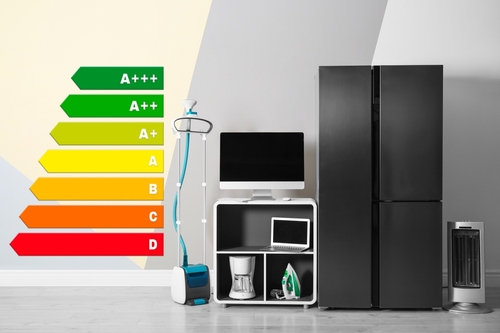
- choose energy-efficient appliances — A++ and A+++ efficiency classes can reduce consumption by as much as 30%;
- avoid standby mode — Appliances left plugged in can consume energy even when not in active use;
- wash laundry at lower temperatures — A 30°C cycle is often enough for effective cleaning.
Use alternative, sustainable heating sources
For additional savings and a lower environmental impact, consider options such as:
- heat pumps — They are efficient, environmentally friendly and deliver excellent performance;
- solar thermal panels — Although the initial investment is higher, they can lower domestic hot water costs over time;
- biomass fireplaces — Wood and pellets are natural fuels that may replace natural gas.
Choose efficient lighting
Winter days are shorter, making artificial lighting more important. Choosing the right bulbs can help reduce your energy bill:
- switch to LED bulbs — They use up to 80% less electricity than traditional bulbs and last much longer;
- install motion sensors — In hallways, garages and bathrooms, sensors can substantially reduce unnecessary consumption;
- make use of daylight — Position your furniture to get the greatest benefit from natural light.
Check door and window seals
Cold draughts entering through doors and windows can significantly increase energy use. Prevent this by checking that all seals are in good condition. Apply draught-proofing tape where you notice gaps, and use draught excluders at the bottom of doors. You can also install insulated threshold strips. These simple checks can reduce heat loss and therefore your bills.
Maintain heating systems regularly
A boiler or heating system working at peak efficiency can save energy:
- clean radiators and pipework — Dust or deposits can prevent efficient heat transfer;
- service the boiler annually — A well-maintained boiler uses less fuel;
- bleed radiators — Removing trapped air improves heating efficiency.
Saving energy in winter is not about sacrificing comfort; it is about adopting smarter habits. Small changes can cut your bills and help protect the environment!
