
How to Choose the Right Hot Water Cylinder for Your Heat Pump
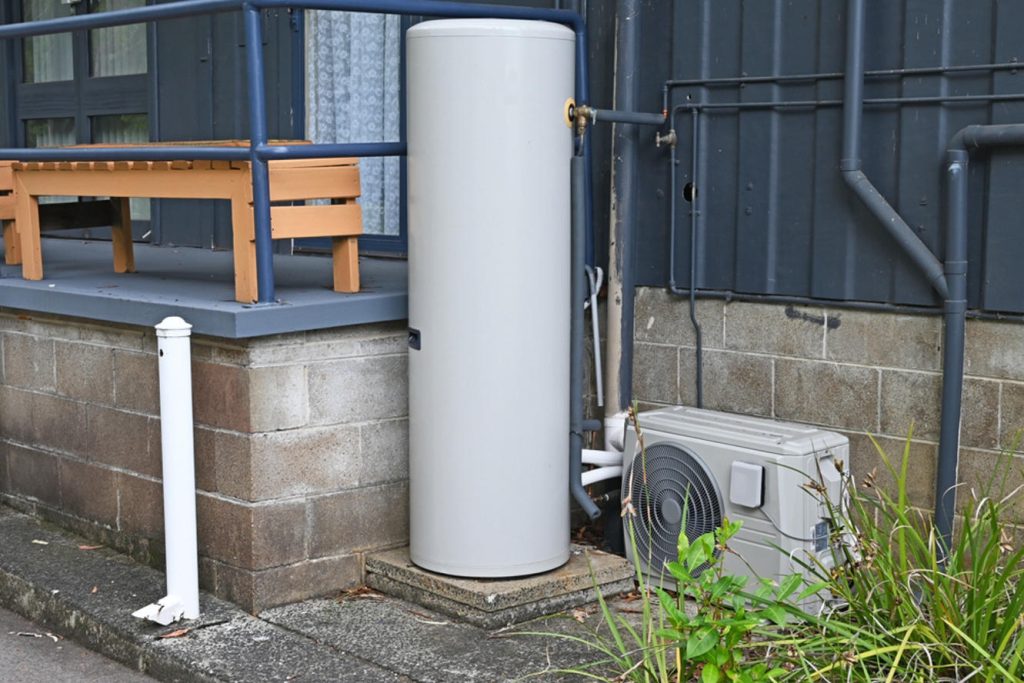
Have you switched to an energy-efficient heating system with a lower environmental impact? That is a smart, responsible step. However, your system is not complete without the right hot water cylinder. This component is often overlooked, yet it plays an essential role in reliably storing and supplying domestic hot water. Choosing an unsuitable cylinder can reduce comfort, increase energy consumption and even cause technical problems.
Find out which criteria matter when choosing a cylinder and how to get the best performance from your heat pump.
Understand how a heat pump works
A heat pump is a modern heating system that extracts thermal energy from a natural source – air, water or the ground – and transfers useful heat into your home. The main advantage of heat pumps is their high energy efficiency and relatively low electricity consumption.
There is, however, one important technical point to remember: a heat pump generally supplies heating water at a lower temperature than traditional heating systems , such as conventional gas boilers. This directly affects the requirements for the hot water cylinder.
A hot water cylinder designed for a conventional boiler may not perform optimally when connected to a heat pump. You therefore need a cylinder with a large heat-exchanger coilthat provides efficient heat transfer even at lower flow temperatures of around 30–55°C.
It is equally important to choose a cylinder with high-quality thermal insulation, minimising heat losses and keeping the water hot for longer without additional energy use.
Choose the right capacity for your household
Size matters, and the cylinder volume should be selected carefully. An undersized cylinder may not cover daily demand, especially in a larger household. An oversized cylinder, on the other hand, can waste energy heating water that is never fully used.
What should you consider when choosing the capacity?
-
the number of people living in the home;
-
hot water use habits – how often people shower or take baths, and whether several bathrooms or kitchen outlets are used at once;
-
other domestic hot water sources – solar thermal collectors, auxiliary electric heating and similar systems.
For a household of four, a 200-litre hot water cylinder is often a sensible starting point. For higher demand, such as two bathrooms being used simultaneously, a 300-litre model or larger may be more suitable.
Also consider a model that can be adapted or expanded in the future if your household grows or your consumption habits change.
Cylinder and heat pump compatibility
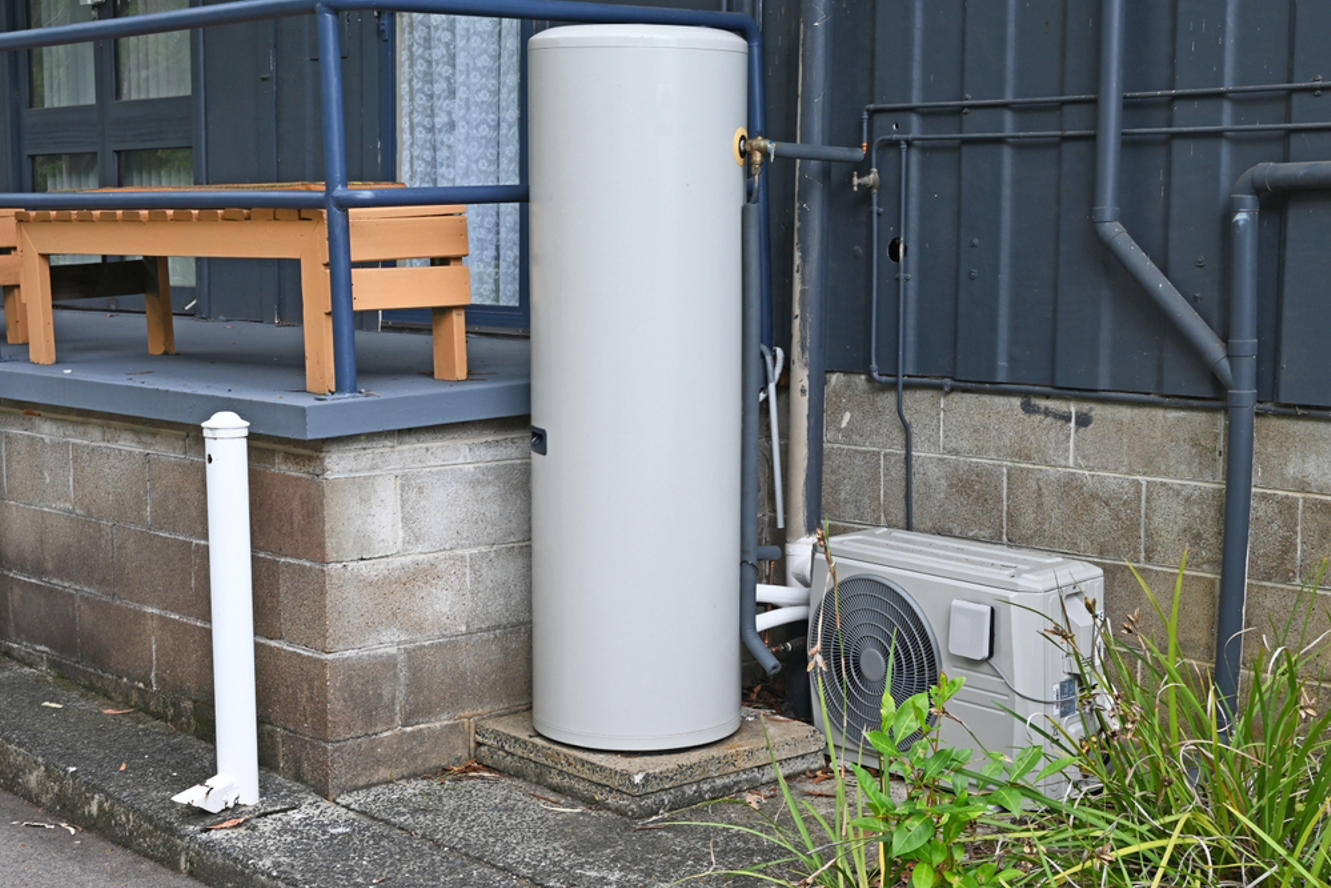
Image source: Shutterstock
Compatibility is not optional: it is a basic requirement. Look for cylinders specifically designed for heat pumps, rather than any generic hot water tank. What does this involve in practice?
-
Large heat-exchanger coil – to compensate for the lower heating-water temperature;
-
Suitability for low operating temperatures – to maintain effective heat transfer even when the heat pump supplies only 35–45°C;
-
Durable, corrosion-resistant materials, such as stainless steel;
-
Compatibility with heat pump controls , enabling integrated operation and better overall efficiency.
Always read the product technical data and ask an ECO-TEC specialist if anything is unclear. Some cylinders also have a built-in electric immersion heater, which can be useful as a backup or during periods of particularly high demand.
Choose a model with enough stored hot water
Few things are more frustrating than running out of hot water during a shower. To reduce this risk, choose a cylinder with adequate storage capacity and, where appropriate, two heat-exchanger coils.
This type of cylinder can offer several advantages:
-
flexible heat sources – you may connect an additional heat source, such as solar thermal collectors;
-
improved efficiency – thermal stratification can help maintain readily available hot water at the desired temperature;
-
greater reliability – it can keep stored water warm for longer.
For larger households or periods of intensive hot water use, such a model can improve comfort and support long-term savings.
Consider where the cylinder will be installed
It may seem like a minor detail, but cylinder location affects both efficiency and convenience. If installed too far from hot water outlets, the pipes lose more heat and users wait longer for hot water to arrive.
Pay attention to:
-
installation method: wall-mounted or floor-standing;
-
orientation: vertical or horizontal, depending on the space available;
-
accessibility: allow enough room for maintenance and inspections.
For a small apartment, a compact vertical wall-mounted cylinder may be suitable. In a house with a spacious plant room, a larger floor-standing cylinder may be a better choice.
Other details that can make a difference
Technical features can significantly affect day-to-day use. Useful options include:
-
magnesium anode – helps protect the inside of certain tanks against corrosion and extends service life;
-
anti-Legionella function – periodically raises the water temperature to help control bacterial growth;
-
digital display and smart controls – make it easier to set temperatures and check the system through an app;
-
timer and scheduled operation – allow you to heat water when it is needed.
These features can improve comfort and energy management, particularly if you want more control over your domestic hot water system.
Selecting the right cylinder for a heat pump is more than a technical decision. It directly affects comfort, monthly costs and energy efficiency. Understand your household’s requirements, compare your options and seek professional advice.
At ECO-TEC, we offer free advice, tested products and solutions tailored to different types of homes. Do not compromise on everyday comfort.
Contact us to explore our range of hot water cylinders designed for heat pump systems!
📞 Ask an ECO-TEC specialist and choose the right solution with confidence!
