
Complete guide to installing an R290 heat pump
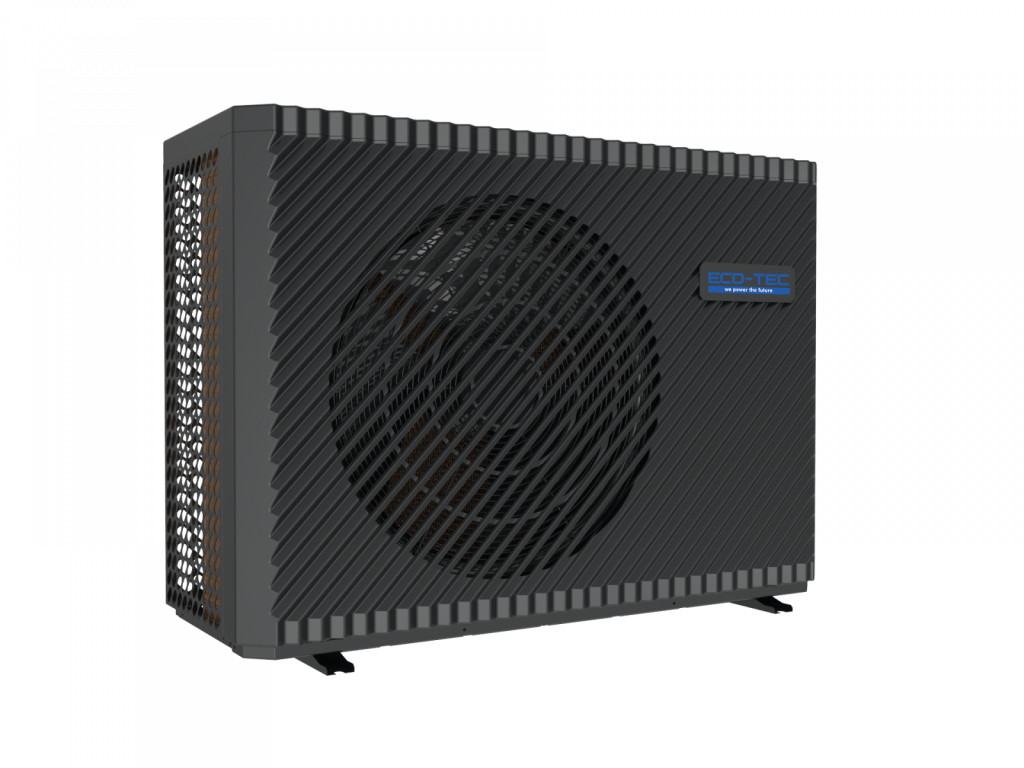
What should you know before installing an R290 heat pump?
Are you looking for a sustainable and efficient way to heat your home? Installing an R290 heat pump could be an excellent answer. This modern technology not only provides thermal comfort but also supports environmental protection through a natural refrigerant with a low climate impact.
In this guide, you will learn the key steps involved in installing an R290 heat pump correctly, helping you achieve reliable performance and long service life. Explore useful information, practical examples and recommendations you can apply when planning your project.
What is an R290 heat pump and why choose one?
R290 heat pumps use propane (R290), a natural, energy-efficient refrigerant. Unlike refrigerants with a high climate impact, R290 has a very low global warming potential (GWP) and does not deplete the ozone layer.
Why choose this type of heat pump?
- High efficiency: you may save up to 50% on energy costs compared with certain traditional heating systems, depending on the building and operating conditions.
- Sustainability: propane is a natural refrigerant with a low GWP, making it a responsible long-term option.
- Flexibility: the system can be used for both heating and cooling, where the model supports these functions.
- Lower costs: using less energy can translate into reduced utility bills.
It is a valuable option for anyone seeking an energy-efficient, environmentally conscious home. Read more about the difference between domestic hot water heat pumps and electric water heaters!
Preparing for installation: what should you consider?
Before fitting a heat pump, make sure the project is properly prepared. The following aspects are especially important:
- Site assessment: check whether your home is suitable for a heat pump. For example, the outdoor unit needs sufficient space in a well-ventilated location;
- Building insulation: a well-insulated house allows the system to operate more efficiently. Check the walls, roof and windows before installation;
- Budget: estimate the equipment price, installation charges and any ancillary work, such as changes to the existing heating distribution system.
Consult a specialist to assess your home’s heat demand accurately and select a suitable heat pump model.
Stages of installing an R290 heat pump
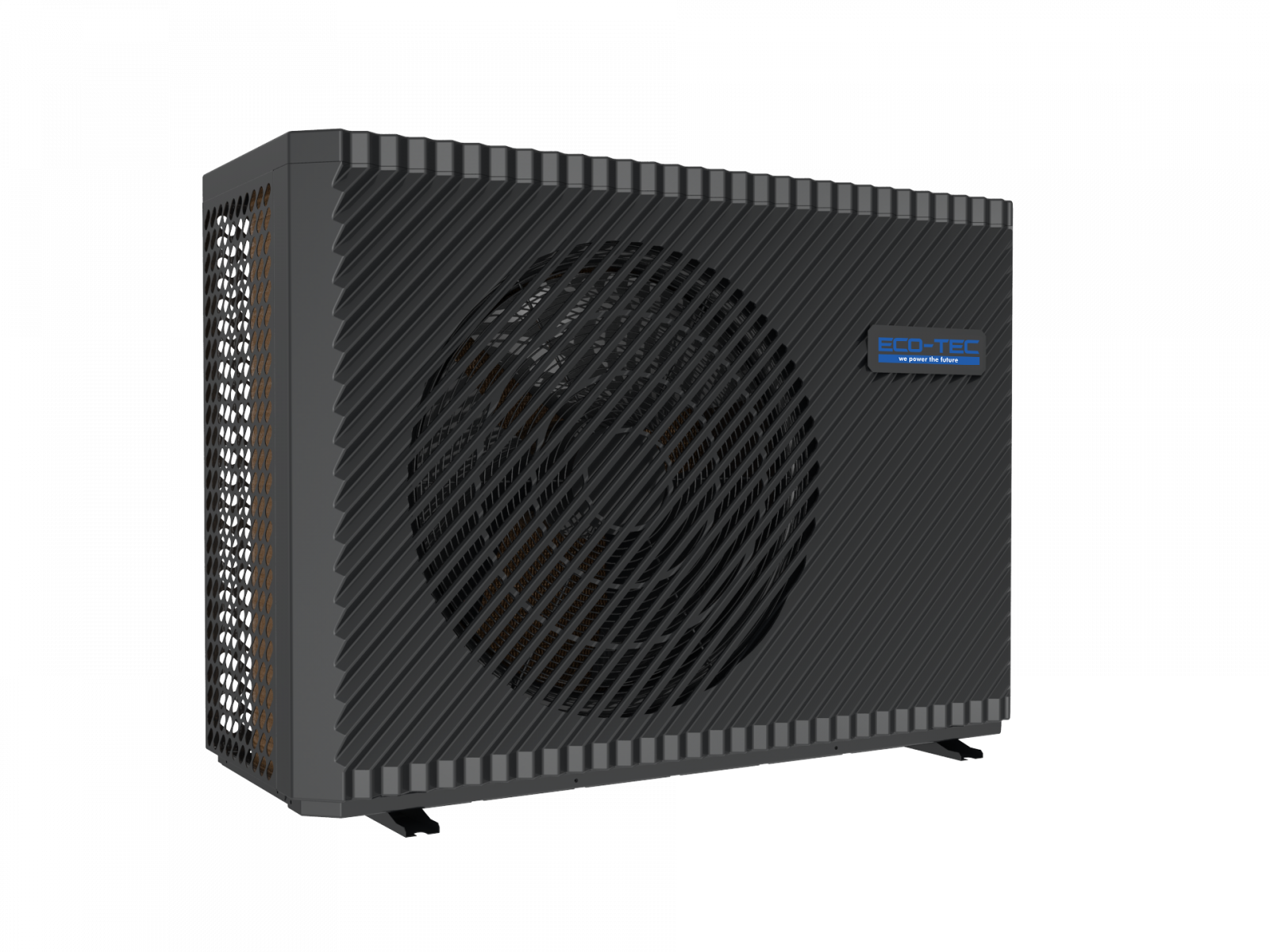
Installing a heat pump involves several clearly defined stages. Each contributes to correct system operation.
1. Planning the installation location
Position the outdoor unit away from obstacles such as dense vegetation or walls that could restrict airflow. Proper placement helps optimise performance and extends the equipment’s service life.
2. Installing the indoor unit
Connect the indoor equipment, where applicable, to the home’s heat distribution system. Check compatibility with existing radiators or underfloor heating.
3. Connecting the refrigerant circuit
The heat pump contains a refrigeration circuit that must be handled correctly. Only qualified technicians should undertake work on refrigerant-containing components, as this requires specific expertise and safety precautions.
4. Testing and configuring the system
After installation, test the system to confirm that it operates within the required parameters. Checks may include refrigeration-system operating values and adjustment of the heating controls for comfort.
Maintenance and correct heat pump operation
Regular maintenance is important for reliable long-term performance from your R290 heat pump. Consider these practical recommendations:
Clean the filters regularly
Dust and dirt can reduce system efficiency. Where an indoor unit has serviceable filters, clean them as specified by the manufacturer.
Annual inspections
Arrange an annual technical inspection by a specialist. The technician will assess the condition of the equipment and check relevant operating parameters.
Monitor energy consumption
Unexpectedly high energy use may indicate a technical issue that requires investigation.
If this happens, seek professional assistance promptly.
Long-term benefits of R290 heat pumps
Installing an R290 heat pump can deliver several long-term benefits:
- Lower bills: reduced energy consumption can lead to meaningful monthly savings;
- Greater comfort: a correctly designed system can maintain even indoor temperatures across the seasons;
- Lower environmental impact: choosing a natural low-GWP refrigerant helps reduce the climate impact associated with refrigerant emissions.
R290 heat pumps offer a modern, efficient and environmentally responsible option for home heating.
With appropriate installation and maintenance, you can enjoy long-lasting comfort and energy savings. Research your options and work with professionals to make the right choice.
How much does an R290 heat pump cost?
The cost of an R290 heat pump depends on its capacity, brand and installation complexity. Although the initial investment may be higher, energy savings can help recover the difference over time.
Explore the range of ECO-TEC heat pumps and choose the right solution for your project. Our team offers personalised advice to help you make an efficient, sustainable choice. Take the first step today!
