
Can radiators work with heat pumps? Compatibility and efficiency
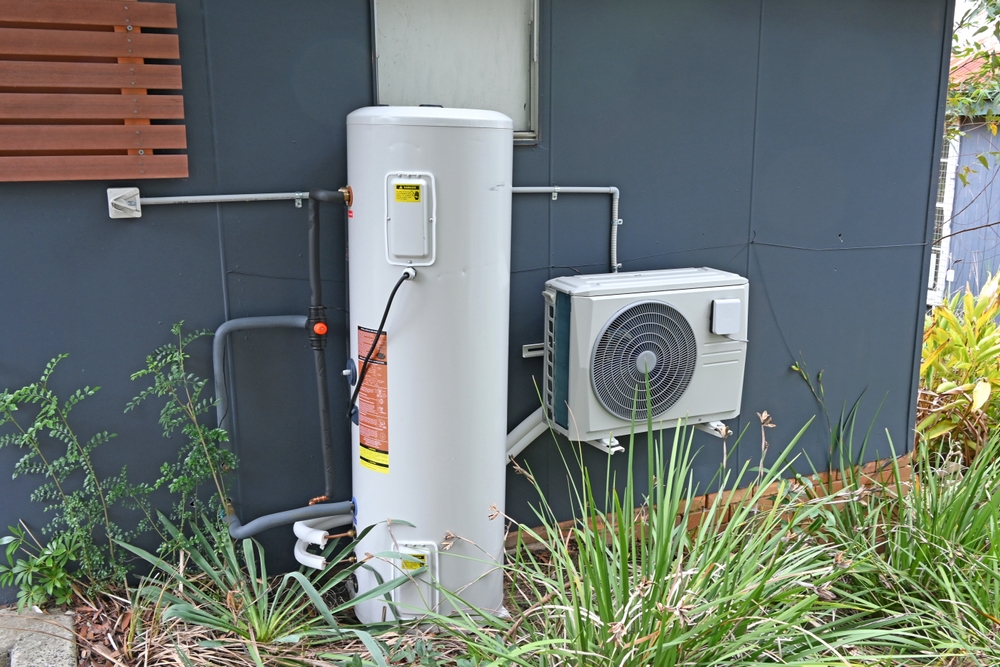
Do you already have a heat pump, or are you considering installing one and wondering whether you can keep your existing radiators? Many homeowners ask this question when replacing a conventional heating system with a more efficient and environmentally friendly option.
Find out whether radiators can work effectively with heat pumps, which factors matter and how to optimise your heating for maximum comfort. We will also explore alternatives that can provide consistent warmth and energy efficiency, whichever system you choose.
How do heat pumps work?
Heat pumps extract energy from air, water or the ground and use it to heat the home. They are considered environmentally responsible and highly efficient because they can deliver more heat energy than the electrical energy they consume.
Unlike gas boilers, which often heat water to relatively high temperatures of around 70–80°C, heat pumps are generally most efficient at lower or medium water temperatures, often around 35–55°C. This directly influences performance when radiators are used.
Lower water temperatures can make it harder to heat rooms quickly. Traditional radiators may struggle to deliver sufficient heat with a heat pump unless they are correctly sized.
Conventional radiators and heat pump compatibility
Many traditional radiators were designed for high water temperatures of around 70–80°C, typical of older gas heating systems. When connected to a heat pump operating at a lower flow temperature, their heat output falls.
This is why existing radiators may not always provide adequate heating when connected to a heat pump, potentially reducing the effectiveness of the whole system.
However, this does not mean you must replace every radiator. Several measures can improve performance.
- Choose larger radiators – Increasing radiator surface area allows more heat to be released into the room. Larger radiators can supply adequate heat even at lower water temperatures.
- Improve the home’s insulation – Reducing heat loss means the system can heat the home more efficiently, even with lower-temperature water. This eases the load on the radiators and can improve comfort.
- Combine radiators with fan coil units – These devices help distribute heat more effectively throughout the rooms and can improve the overall heating system’s performance.
With such measures, radiators can remain a practical solution even when the home is heated by a heat pump.
Read our complete guide to choosing the right home heating system and discover which option best matches your requirements.
Low-temperature radiators: a better alternative?

If you want radiators with a heat pump, low-temperature models are a good option. They are designed to operate with cooler heating water and have a larger heat exchange surface.
Low-temperature radiators perform well with heat pumps because they can deliver the required heat at reduced water temperatures. Their advantages include:
- strong performance with heat pumps – As they are optimised for low supply temperatures, they can work more effectively with a heat pump than undersized conventional radiators;
- lower running costs – Operating the heating system with lower water temperatures can improve heat pump efficiency and help reduce energy bills;
- even distribution of heat – Correctly selected radiators improve comfort throughout the house and reduce cold areas.
Low-temperature radiators can also be a good way to adapt an existing home to a heat pump without major renovation work.
What other options are available? Underfloor heating versus radiators
Many homeowners choose underfloor heating when installing a heat pump because it works particularly well at low water temperatures. Its large heat transfer area makes it highly compatible with heat pumps. However, if you do not want to renovate the entire house, radiators can still be viable.
- Underfloor heating – Distributes heat evenly and can improve energy efficiency thanks to its large heat transfer area and low supply temperatures. However, it often requires substantial investment and renovation work.
- Radiators – Are usually easier and less expensive to install, but must be sized correctly for efficient operation. Heat distribution can also be less even than with underfloor heating.
Both options can work, depending on your preferences, budget and the specific heating requirements of your property.
How can you optimise your heating system?
If you want to operate radiators efficiently with a heat pump, consider these practical steps.
- Improve insulation – Insulating walls and the roof can reduce heat loss and help maintain a stable indoor temperature.
- Set the water temperature correctly – A suitable heating-water temperature helps maintain efficiency. In some well-designed installations, water temperatures around 35–45°C can be sufficient to heat the home.
- Use smart thermostats – These adjust the temperature to your needs, help reduce unnecessary energy use and maintain a comfortable indoor climate.
- Clean and maintain radiators – Dust build-up or trapped air can reduce radiator performance. Clean and bleed radiators as required to avoid these losses.
If you would like to know more about efficient home heating solutions, explore the recommendations from the ECO-TECexperts!
Yes, radiators can work with heat pumps, provided certain adjustments are made. With sufficiently large, properly sized radiators and adequate insulation, you can achieve comfortable heating.
For best efficiency, also consider low-temperature radiators or underfloor heating. Your decision will depend on budget, available space and preferences, but heat pumps remain an efficient, environmentally responsible solution for the long term.
There is no need to give up the comfort of radiators: the key is making the right adjustments to achieve dependable performance.
