
Heat pumps and solar panels: integration benefits and challenges
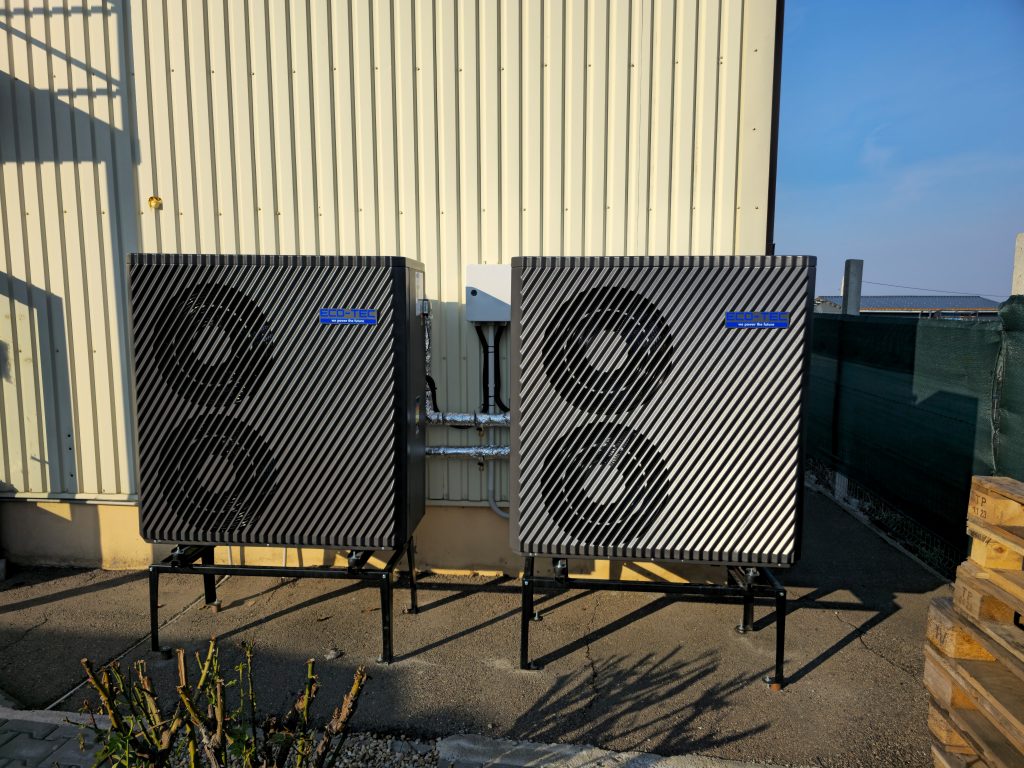
Have you considered combining a heat pump with solar panels to make your home more energy-efficient? This integration can offer significant financial and environmental advantages. However, there are also challenges to consider. Discover how the technologies work together and what obstacles you may face during implementation.
How does the integration of heat pumps and solar systems work?
Heat pumps use energy from air, water or the ground to heat or cool a building, while solar panels collect sunlight to generate electricity. Combining the two technologies allows renewable resources to be used more effectively and reduces dependence on fossil fuels.
An integrated system works as follows:
- photovoltaic solar panels generate electricity that can power the heat pump;
- the heat pump extracts heat from the environment and transfers it into the home or into domestic hot water;
- surplus electricity can be stored in batteries or exported to the electricity grid.
By combining these technologies, you can make better use of renewable energy, reduce carbon emissions and protect the environment. Working together, they can provide year-round comfort, lower costs and improved energy performance.
Benefits of a sustainable home with an integrated system
Combining a heat pump with solar panels offers several advantages.
1. Lower energy costs
One of the biggest benefits is the potential to reduce electricity bills substantially. Using more of your own solar electricity reduces dependence on energy suppliersand can generate long-term savings. In some regions, surplus power exported to the grid may also qualify for compensation.
Read our article on reducing energy costs during the cold season!
2. A smaller carbon footprint
Using renewable energy helps reduce pollution. Combining a heat pump with solar electricity eliminates direct CO₂ emissions from on-site fuel combustionand can lower the home’s overall environmental impact.
3. Greater energy independence
An integrated system makes you less vulnerable to changes in energy prices. Moreover, during a power cut, a suitably configured battery and backup system may keep the heat pump runningand help maintain indoor comfort.
4. Higher property value
Homes with energy-efficient technology can appeal more strongly to potential buyers and may sell faster. An investment in an efficient heating system can also improve your property’s attractiveness when you decide to sell.
5. Access to financing and subsidies
Many governments and institutions provide support programmes for renewable energy installations. Check whether you qualify for grants, tax incentives or other schemes that could reduce the initial expense.
Choose environmentally responsible and cost-effective technologies! Contact the ECO-TEC team to discuss how to incorporate this technology into your home.
Challenges when implementing an integrated system
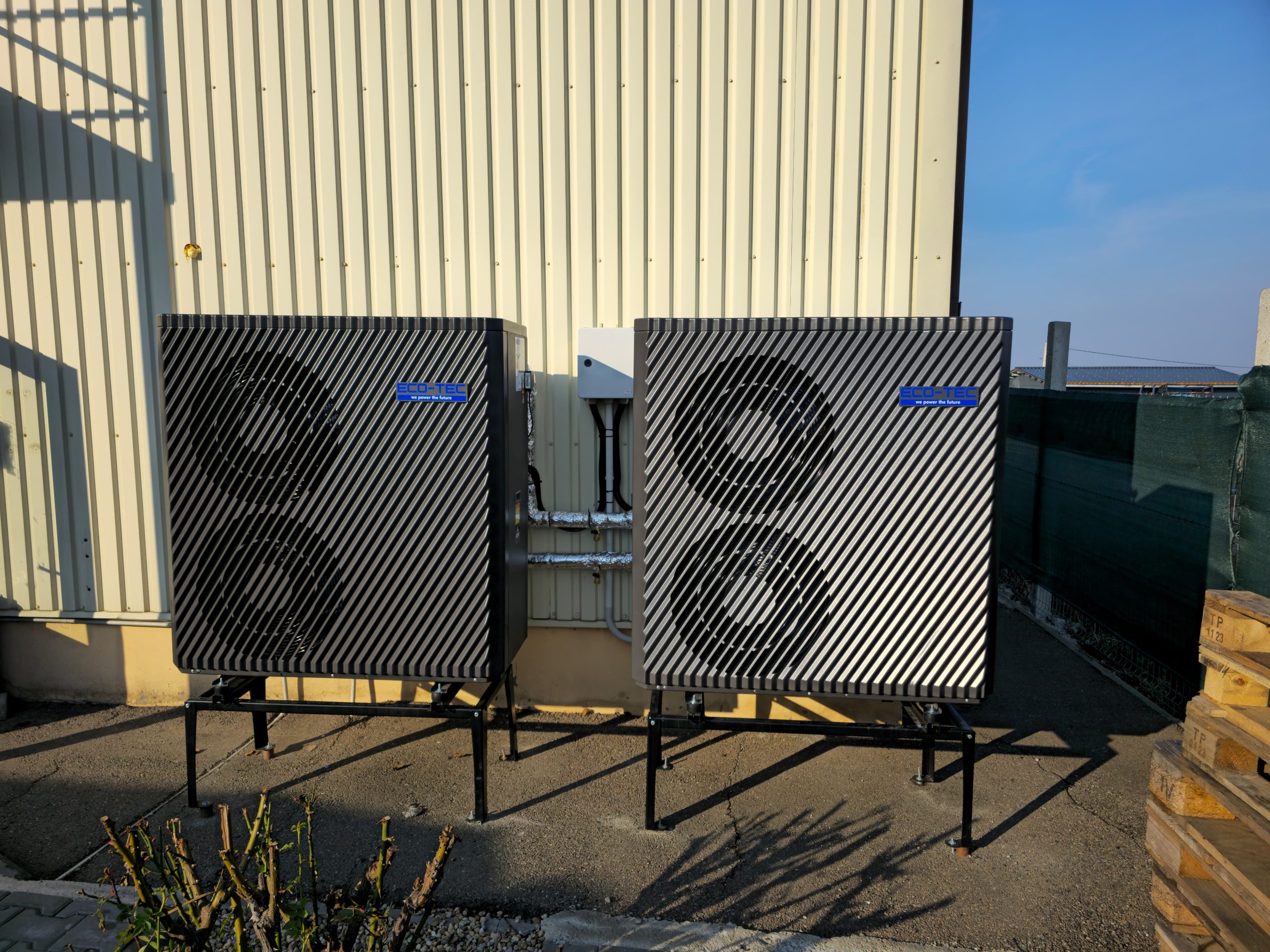
Photo source: ECO-TEC
Despite the advantages, there are several challenges to plan for.
1. Higher upfront investment
The initial expense may be significant, particularly if you choose highly efficient equipment and batteries for energy storage. Treat this as a long-term investment and evaluate the projected savings.
2. The need for a technical assessment
For the best integration, assess the roof’s suitability for solar panels and the heat pump’s performance against your home’s actual requirements. A specialist can help you select the right configuration.
3. Dependence on weather conditions
Solar output depends on sunshine, and heat pump efficiency can decrease at extreme temperatures. A carefully sized combination can help manage these fluctuations.
4. Space required for the equipment
You need enough space for the solar panels, heat pump and batteries, if storage is included. Careful space planning is essential for an effective installation.
Tips for efficient integration
To achieve the best possible performance, follow these recommendations:
- choose compatible equipment – ask a specialist to select heat pumps and photovoltaic components that match your needs;
- optimise your energy consumption – use an energy management system to prioritise your own solar generation;
- check financing options – explore available subsidies or green loans to reduce the initial cost;
- plan regular maintenance – keep the panels clean as recommended and monitor the heat pump’s performance to extend equipment life.
Integrating heat pumps with solar systems is a sensible approach to improving energy efficiency and lowering costs. Although the initial investment may seem high, long-term benefits can include smaller bills, reduced environmental impact and a more attractive property. Plan the installation carefully and consult a specialist to choose the best system for your home.
Plan ahead and gather the information you need to make the right decision!
