
Hot water heat pumps: myths and facts explained
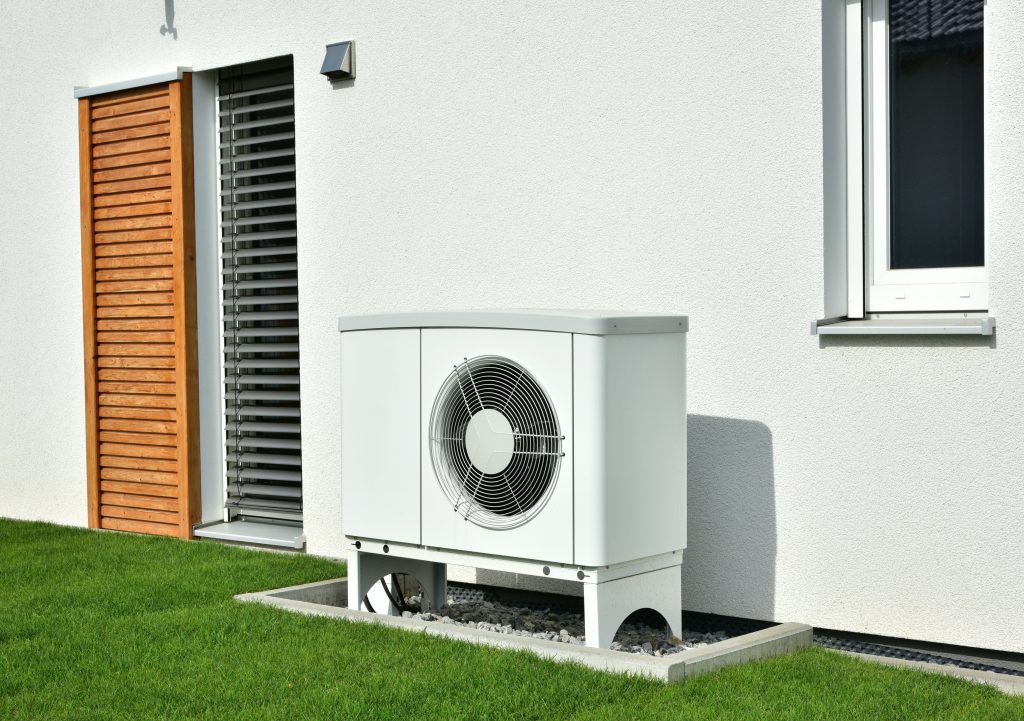
In recent years, domestic hot water heat pumps have become popular among homeowners looking for energy efficiency and lower running costs. Nevertheless, misleading information still circulates about these systems and can leave buyers confused. Their energy-saving potential and environmental benefits are increasingly recognised, yet misconceptions about how they work remain widespread.
Discover the most common myths and facts about domestic hot water heat pumps so you can make a more informed choice for your home.
Heat pumps consume too much electricity: myth or fact?
One of the most common myths is that heat pumps use enormous amounts of electricity. In reality, they can be substantially more efficient than conventional water-heating technologies. Their coefficient of performance (COP) can reach 3 or 4, meaning that for each kW of electricity used, the unit can deliver roughly 3 to 4 kW of useful heat under the stated conditions.
What does that mean for your energy costs?
A conventional electric water heater uses electricity directly to heat water, potentially leading to high bills. A heat pump, by comparison, can reduce electricity consumption by as much as 75%under favourable conditions, yielding considerable savings over time.
If a family of four uses approximately 200 litres of hot water daily, a traditional electric heater might consume about 9–10 kWh per day, while a heat pump operating at COP 4 might use only 2–3 kWh per day. That represents a saving of approximately 70% on the electricity needed to heat the water in this example.
Furthermore, combining the system with renewable electricity, such as rooftop photovoltaic panels, can reduce purchased electricity and make the installation even more economical.
Heat pumps cannot work well in winter: myth or fact?
Another common misconception is that heat pumps become ineffective during winter. Although efficiency generally declines as outdoor air temperatures fall, modern models can operate at -15°C or below, within the limits specified by their manufacturers.
How is that possible?
Modern heat pumps use refrigerants and refrigeration circuits capable of collecting thermal energy even from cold air. Some models also incorporate auxiliary electric heaters that support hot water production in particularly demanding conditions.
What should you check before buying?
- Choose a heat pump suited to your local climate;
- Check the equipment’s energy performance and COP;
- Ensure professional installation to minimise efficiency losses;
- Arrange regular maintenance for reliable performance.
Installing a heat pump is complicated and expensive: myth or fact?
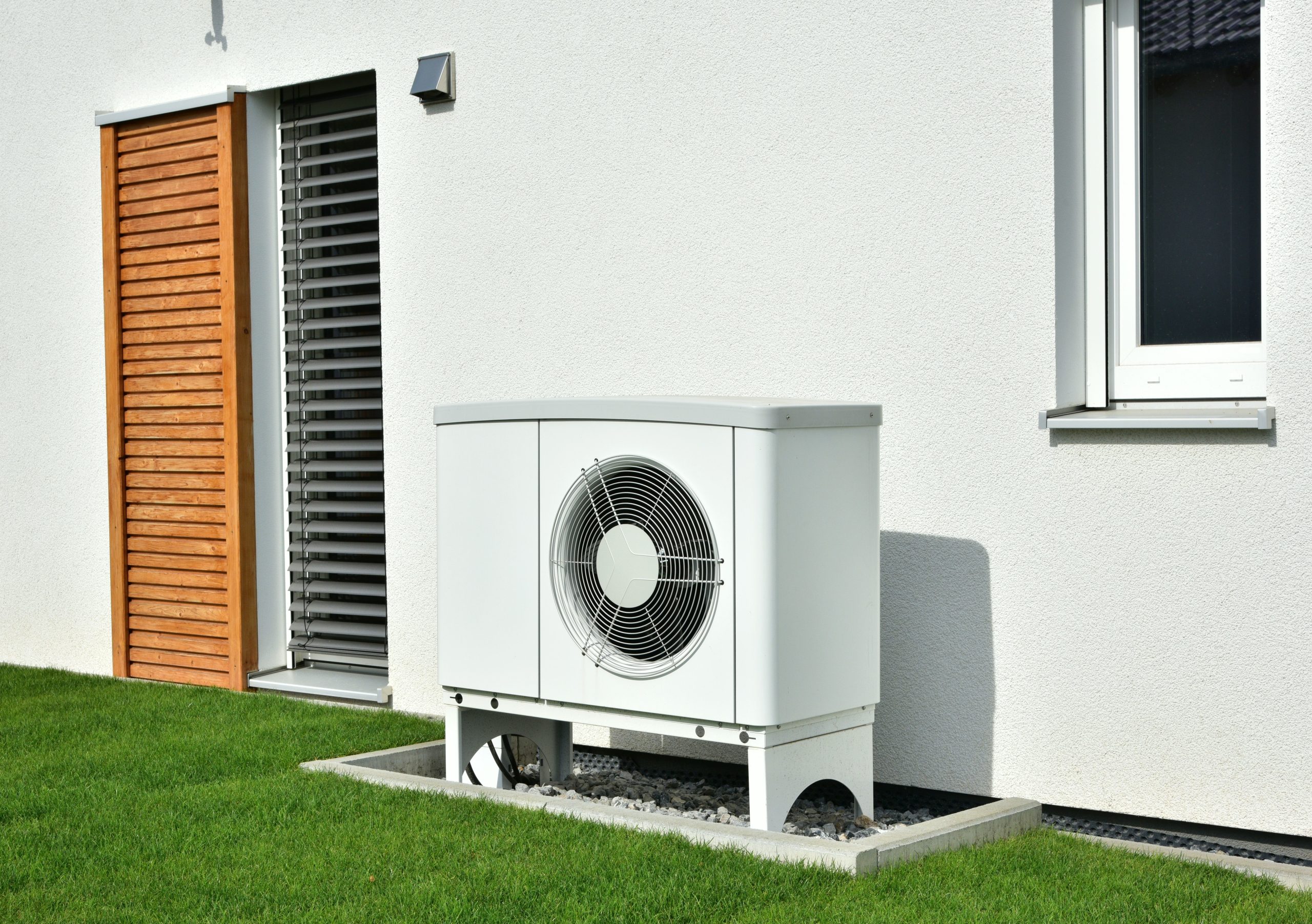
Many people assume that installing a heat pump is exceptionally complex and costly. While the initial investment may exceed that of an electric or gas water heater, lower running costs can help offset the difference over time.
Why consider this investment?
- A longer service life – A quality heat pump may operate for more than 15 years with proper maintenance;
- Lower maintenance costs – Depending on the system, servicing requirements can be lower than those of a gas appliance;
- Potential financial incentives – Many countries offer support schemes for energy-efficient equipment, subject to local eligibility rules.
Installation is also often simpler than it appears. With a qualified technician, the work can be organised efficiently, leaving you with a well-configured system and fewer operational concerns.
Read our guide to find out how to reduce your energy bills during the cold season!
Heat-pump water is not hot enough: myth or fact?
Some homeowners believe that heat pumps cannot provide sufficiently hot water. Modern models can heat water to 60°C or even higher, depending on the selected equipment and operating conditions.
Benefits of setting the right water temperature
- Reliable comfort – Hot water can be available when you need it, provided the tank and system are properly sized;
- Energy efficiency – The setpoint can be adjusted to household requirements;
- Compatibility with other energy systems – A heat pump can be combined with solar technology to improve overall energy performance.
Domestic hot water heat pumps offer a modern, efficient and economical way to reduce monthly energy expenditure. Do not let unsupported myths determine your choice! Consider the benefits, compare the available models and select equipment suited to your property.
Contact the ECO-TEC team for a tailored quotation and discover how much you could save on your energy bills.
