
Ideal heat pump temperature in winter: expert recommendations
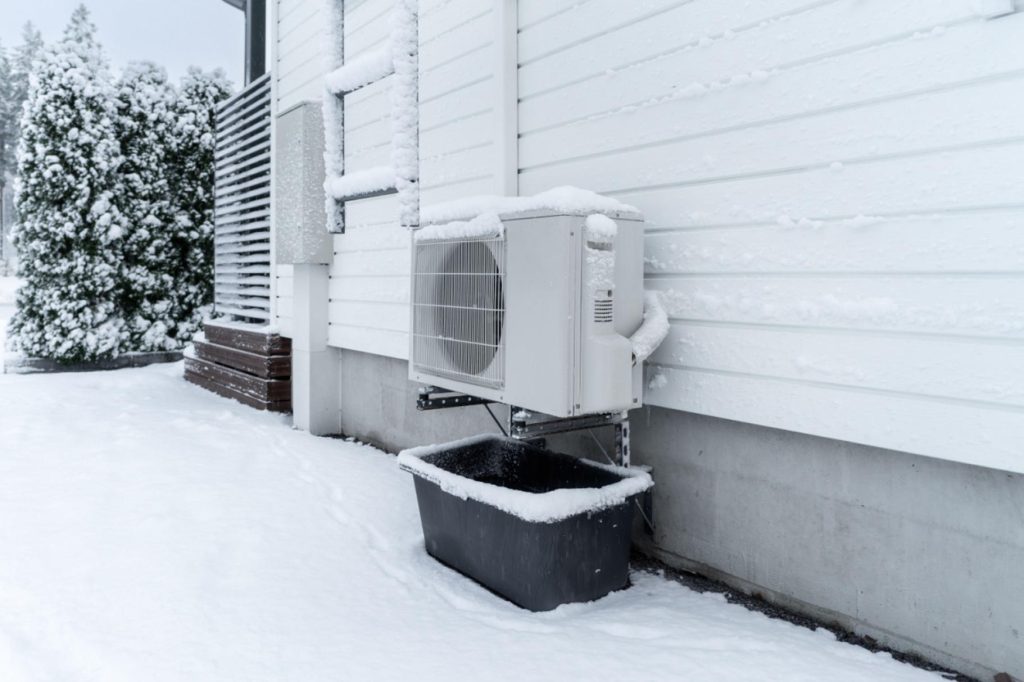
When temperatures fall outdoors, every extra degree at home matters. If you heat your house with a heat pump, your settings can influence both thermal comfort and electricity consumption. System operation and energy use vary depending on the settings and the indoor temperature maintained throughout winter.
It is not only a question of personal preference, but also of consumption, equipment life and reliable operation. Below we answer a question many homeowners ask in winter: what is the ideal temperature for a heat pump?
Recommended indoor temperature for home comfort
A range of 20–22°C is often used as a reference for thermal comfort. Actual energy consumption, however, also depends on the building and the heating system.
Maintaining a higher indoor temperature can increase heat demand and therefore energy use and running costs. A balanced setpoint, by contrast, can help with:
- maintaining comfortable indoor conditions;
- matching energy consumption to the building’s heating requirements;
- keeping the system operating steadily.
ECO-TEC heat pumps can deliver high heating-water temperatures and operate at low outdoor temperatures within the technical limits specified for each model.
How does outdoor temperature affect system performance?
Heat pump performance is directly related to the outdoor temperature. As the air becomes colder, the system generally needs more electricity to collect heat and transfer it indoors.
Modern models, including R290 heat pumps, may be designed for operation at outdoor temperatures of -15°C or -20°C, depending on their technical specifications. Under such demanding conditions, it is helpful to:
- set a realistic indoor temperature of about 20–21°C;
- avoid frequent switching on and off;
- insulate the building well to reduce heat losses.
Good insulation and a stable indoor temperature can help control energy use and maintain comfort, particularly on the coldest days.
What temperature should you choose for each part of the house?
Not every room requires the same temperature. Adjusting the setpoint according to the purpose of each room can help balance energy demand and comfort.
Useful recommendations
- Living room, home office and dining room: 20–22°C;
- Bedroom: 18–20°C;
- Hallways and circulation areas: 16–18°C;
- Bathroom: 22–24°C for additional comfort.
If you have zoned thermostats or app-based controls, use them to adjust heating to your daily routine. This makes it easier to match the temperature to the needs of each area of your home.
Differences between daytime and night-time operation
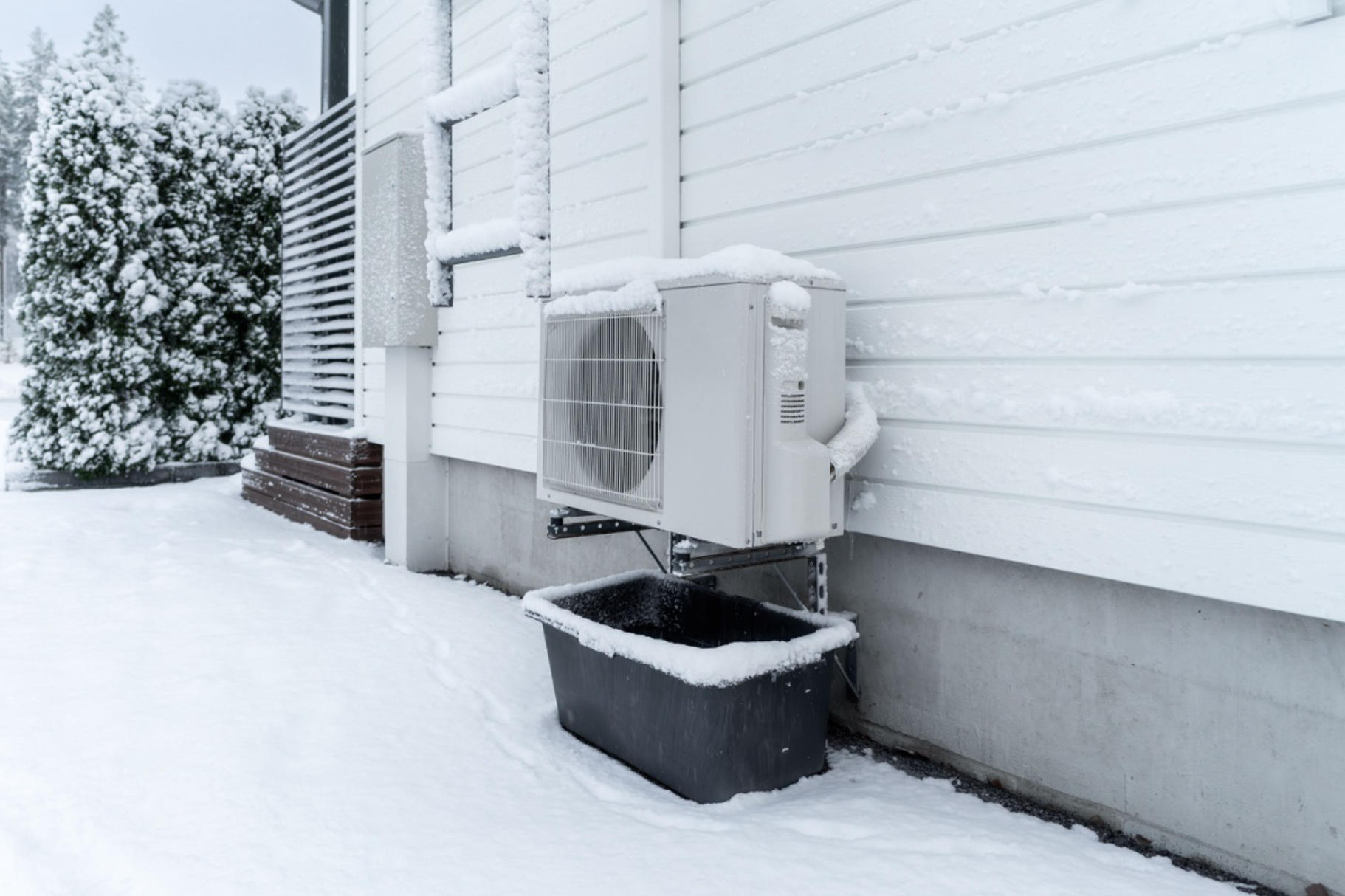
At night, many people prefer a lower indoor temperature. Reducing the night-time setpoint may also lower heating demand, depending on the building and the heating system.
Practical steps include:
- lowering the temperature by 1–2°C after 10 p.m.;
- using an automatic schedule if your heat pump supports one;
- activating a night or eco mode if the model provides this function.
The effect of these settings on consumption depends on outdoor conditions, building insulation, the selected temperature and the heating system’s design.
R290 heat pumps and winter operation
R290 heat pumps use propane (R290) as the refrigerant and, depending on the model, may be designed to operate at low outdoor temperatures.
Certain models can produce heating-water temperatures as high as 75°C, according to their manufacturers’ specifications. This can make them suitable for some existing radiator systems.
Advantages
- Operation at low outdoor temperatures within the manufacturer’s stated technical limits;
- Potential integration into certain existing systems, depending on heat demand and installation design;
- Ability to supply high heating-water temperatures, depending on the model and operating conditions.
Actual performance depends on the equipment, outdoor air temperature, water supply temperature, system sizing and building characteristics.
If you are considering buying this type of system, read more about the installation process and technical requirements in our dedicated guide to installing an R290 heat pump.
Which mistakes should you avoid when setting winter temperatures?
Many homeowners choose a setpoint that is too high, particularly immediately after starting the heating system. A higher setpoint can increase the heating requirement and consequently the amount of energy consumed.
Common mistakes to avoid:
- setting the thermostat to 25°C in the hope of heating the house faster;
- frequently changing the temperature throughout the day;
- turning the system off completely whenever you leave home.
In many cases, keeping a relatively steady temperature and reducing it moderately when the home is unoccupied can work well. The ideal setting still depends on the building, the installed system and the occupants’ comfort preferences.
A heat pump can heat your home through winter, but its settings affect both comfort and energy use. An indoor temperature of around 20–22°C is a useful starting point for living areas, after which adjustments can be made to suit your home and household.
ECO-TEC offers R290 models with different technical characteristics, including units designed for low outdoor temperatures. The right choice should be based on the building’s heating demand and the layout of the installation.
Would you like to find the model best suited to your home? Speak with an ECO-TEC specialist to assess your property’s heating requirements and the characteristics of the system appropriate for your project.
