
R32 Refrigerant in Heat Pumps: What It Means and Why It Became Popular
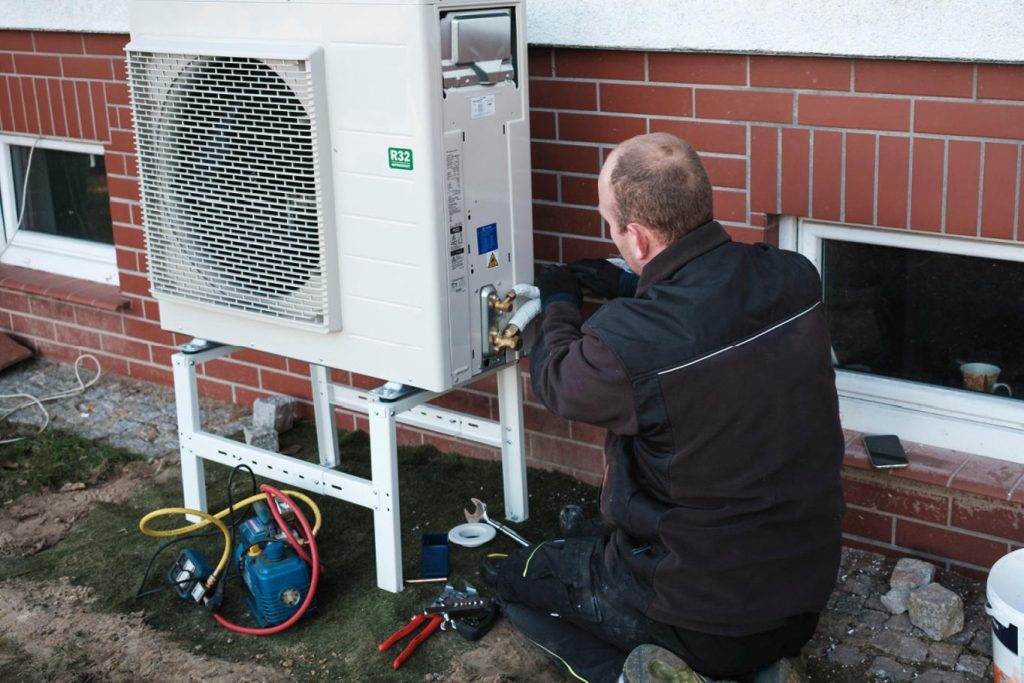
You have probably heard a great deal about heat pumps using R32 refrigerant. Many manufacturers have promoted them as an efficient and affordable solution, but the reasoning behind these claims may not always have been clear. R32 technology played an important role in the transition to better-performing systems; however, it is worth understanding the context and the limitations involved.
What is R32, and how does it work in heat pumps?
R32 is a refrigerant commonly used in air-conditioning systems and certain heat pumps. It was introduced as a more efficient alternative to R410A, with a lower global warming potential (GWP).
In a heat pump, the refrigerant transfers thermal energy from outside into the home. R32 became known for its good heat absorption capacity and lower operating pressure, which the source article associates with lower energy consumption compared with earlier generations.
Nevertheless, despite these specific benefits, R32 technology does not typically deliver very high flow temperatures or the same consistently high long-term efficiency attributed here to newer alternatives such as R290.
Why did R32 become popular for a time?
Several factors contributed to the market uptake of R32 systems:
-
more affordable pricing of equipment compared with premium models;
-
widespread availability , especially from international brands;
-
ease of installation and adaptability to existing systems;
-
marketing campaigns focused on energy efficiency and a reduced environmental impact compared with R410A.
For a time, these arguments persuaded many users, particularly while alternatives were less developed or less available.
However, the popularity of R32 heat pumps was also linked to a lack of genuine alternatives, not just outstanding performance. With R290 heat pumps now available, it is worth weighing all the details before choosing.
What limitations does R32 technology have in daily use?
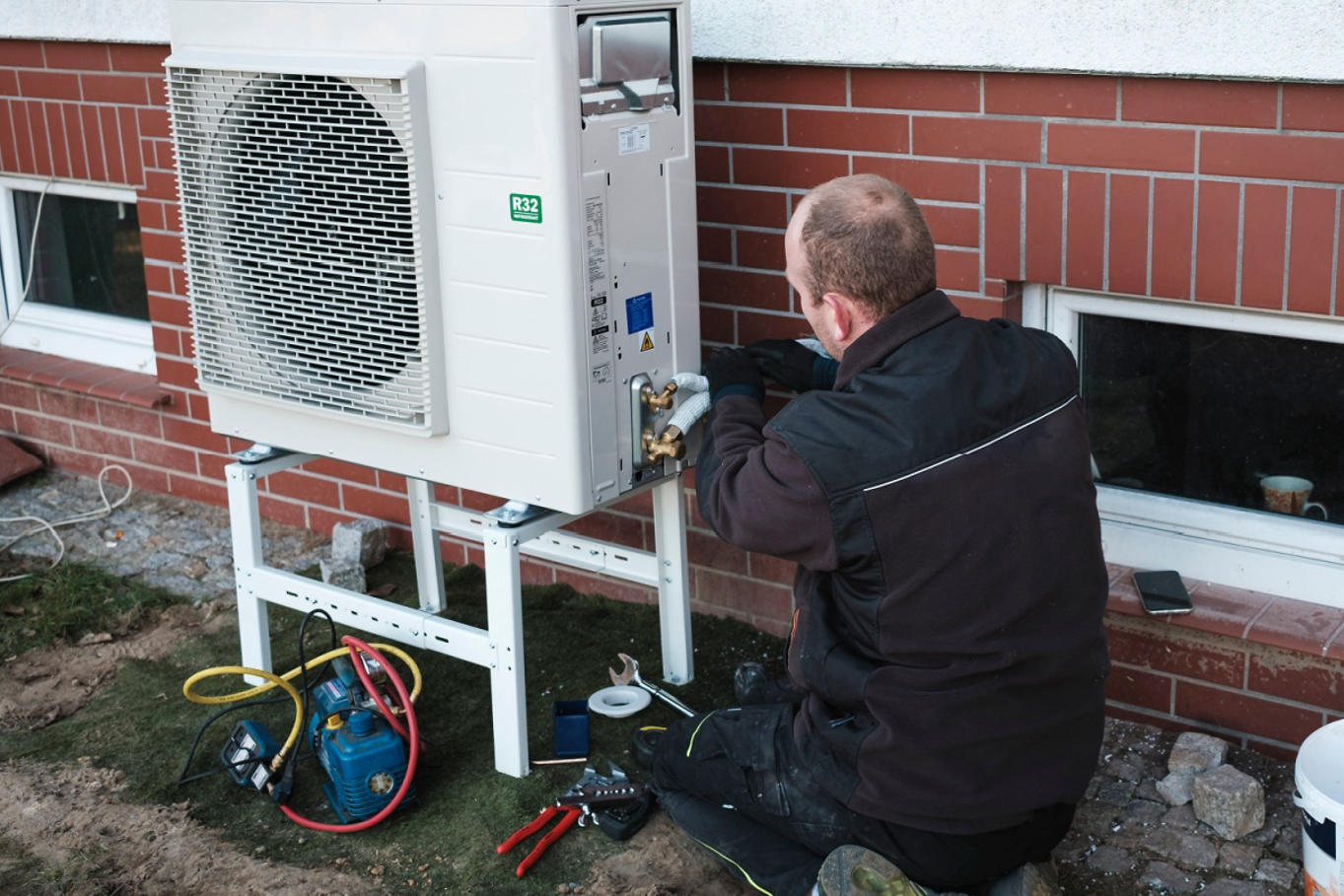
Although promising on paper, R32 may have several practical drawbacks that can affect day-to-day use:
-
the maximum flow temperature may be limited, often to around 55°C for the models discussed here, which can mean additional electric backup heating is needed in cold weather;
-
compressor noise levels can sometimes be higher, particularly under heavy load;
-
performance may decline at sub-zero outdoor temperatures, leading to higher winter electricity use;
-
compatibility with existing heating systems is not always assured, particularly when higher heating water temperatures are required.
These issues are especially relevant if you want consistent comfortwithout concerns about fluctuations in performance.
Market trends: why R32 is increasingly being replaced
Today, various market signals suggest that R32 may be less future-oriented. Beyond technical factors, there are tax and regulatory considerations. The European Union imposes additional costs on refrigerants with a higher GWP, which may make R32 equipment more expensive over time.
At the same time, major manufacturers are starting to phase out certain R32 models and replace them with R290 versions, which can offer:
-
water temperatures of up to 75°C, potentially suitable for existing radiators;
-
lower electricity consumption even at -15°C outdoors;
-
quiet, stable operation;
-
simplified maintenance and a long service life.
ECO-TEC already offers a broad range of R290 heat pumps, allowing you to move towards a newer technology.
How to choose: comparing R32 and R290
When selecting a heat pump, you may wonder how these two technologies compare in practice. Here are some of the key differences highlighted in this article.
R32:
-
maximum water temperature of around 55°C;
-
reduced efficiency at sub-zero temperatures;
-
decreasing market availability.
R290:
-
flow temperatures of up to 75°C;
-
stable performance in winter;
-
very low GWP, with no additional related charges mentioned here;
-
modern, quiet and efficient systems.
If you want a system with predictable running costs and consistent comfort, R290 may be the logical option.
R32 technology was a step forward in its time. But if you want comfort, potential monthly savings and reliable performance, newer heat pump designs are worth considering. ECO-TEC offers R290 solutions tailored to different requirements, so you can make a decision without waiting for future market changes.
Would you like to know which heat pump suits you best?
Arrange a free discussion with a specialist at ECO-TEC and find out how you can enjoy heating, savings and comfort. Visit the website to explore the complete R290 heat pump range and find a straightforward solution.
